
Starting Fresh: How to Successfully Sell Your Home After Divorce

Divorce is one of life’s most challenging transitions, and selling a shared home can add another layer of emotional and financial complexity – not to mention that you won’t only need a divorce lawyer but also other professionals who can help sell your home fast. Whether the house holds cherished memories or represents a fresh start, navigating the sale effectively is crucial for moving forward. A well-planned approach can help maximize profit, reduce stress, and ensure a smooth process for both parties.

If you’re preparing to sell your home after divorce, these five key tips will help you make smart decisions, minimize conflict, and secure the best possible outcome.

1. Get on the Same Page with Your Ex-Spouse

Selling a home after divorce requires teamwork, even when emotions run high. If both parties are listed as homeowners, cooperation is essential for a smooth sale. Clear communication about your goals, timelines, and expectations can prevent unnecessary delays and disputes.

Start by discussing:

  • Pricing Strategy: Will you price it aggressively for a quick sale or hold out for the highest offer?
  • Responsibilities: Who will handle repairs, showings, and paperwork?
  • Profits & Expenses: How will the proceeds be split? Who will cover closing costs or outstanding mortgage payments?

If communication is difficult, consider working with a mediator or legal advisor to settle disputes fairly. The more aligned you are, the quicker and easier the sale will be.

2. Hire a Neutral Real Estate Agent

Choosing the right real estate agent is crucial when selling a home post-divorce. A neutral, experienced agent can act as a mediator and ensure both parties’ interests are represented fairly. Look for an agent who:

  • Has experience handling divorce-related sales
  • Maintains professionalism and remains impartial
  • Can provide objective advice on pricing and market conditions

It’s best to agree on one agent together rather than hiring separate representatives, which can cause confusion and slow down the process. A skilled agent will help navigate the emotional aspects of selling, keep negotiations professional, and facilitate a smooth transaction.

3. Make Strategic Home Improvements (But Avoid Overspending)

Before listing the home, consider minor upgrades and repairs to increase its market appeal. Small investments can lead to a higher selling price, but avoid spending excessively on major renovations. Focus on cost-effective improvements that offer the best return on investment, such as:

  • Fresh Paint: A neutral color palette makes the home feel fresh and inviting.
  • Curb Appeal: Landscaping, power washing, and a well-maintained entrance make a strong first impression.
  • Minor Repairs: Fix leaky faucets, squeaky doors, and cracked tiles to improve perceived value.
  • Deep Cleaning & Decluttering: A clean, staged home attracts more buyers and sells faster.

Keep in mind that both parties should agree on any pre-sale investments and expenses. If necessary, consult your real estate agent for guidance on which upgrades will yield the best results.

4. Time the Sale for Maximum Profit

The real estate market fluctuates throughout the year, and timing can significantly impact your sale price. If possible, sell during peak seasons—typically spring and early summer—when buyer demand is high. However, personal circumstances and financial factors may dictate when you need to sell.

Consider these timing factors:

  • Market Conditions: Is it currently a seller’s market with high demand and low inventory?
  • Financial Needs: Do you need to sell quickly to settle debts or finalize the divorce?
  • Living Arrangements: Are you both ready to move on to new housing situations?

If you have flexibility, consult with your real estate agent to determine the best listing window for maximizing profit.

5. Prepare for the Emotional and Financial Transition

Selling a home after divorce is not just a financial transaction—it’s an emotional journey. Whether you feel sadness, relief, or a mix of both, it’s important to mentally prepare for this transition.

  • Stay Focused on the Goal: Remind yourself that selling the home is a step toward your fresh start.
  • Seek Professional Guidance: A financial planner can help you make smart decisions about your share of the proceeds.
  • Have a Plan for Your Next Home: Whether you’re buying, renting, or relocating, secure new housing before the sale is final.
  • Lean on Support: Friends, family, and even professional counselors can help you process emotions and reduce stress.

Divorce often brings uncertainty, but selling your home doesn’t have to feel overwhelming. By focusing on practical steps and surrounding yourself with the right professionals, you can successfully close this chapter and move forward with confidence.

Final Thoughts

Selling your home after a divorce is a significant step in rebuilding your future. By staying cooperative, hiring the right professionals, making strategic improvements, timing your sale wisely, and preparing for life after the sale, you can maximize your home’s value and minimize stress.

This process may feel challenging, but with the right mindset and strategy, you can turn it into an opportunity for a fresh start and a brighter future.
Gutters and Home Inspections: How a Highly-Functioning Gutter Can Increase Home Value

When it comes to increasing your home’s value, features like a modern kitchen, updated flooring, or enhanced curb appeal often come to mind. However, one of the most overlooked but crucial components of a home’s health—and its market value—is the gutter system. Properly functioning gutters not only protect the structure from costly water damage but also play a key role in passing home inspections and appealing to potential buyers.

If you’re a homeowner planning to sell or simply want to maintain your property’s long-term value, investing in a high-quality gutter system can provide substantial returns. In this article, we’ll explore how well-maintained gutters impact home inspections and ultimately boost your home’s worth.

Gutters Protect the Foundation and Structural Integrity

One of the primary functions of gutters is to direct rainwater away from your home’s foundation. Without a properly working system, water can accumulate around the base of your house, leading to soil erosion, basement flooding, and even foundation cracks.

A home with foundation issues is a red flag for inspectors and buyers. If an inspector finds signs of foundation damage due to poor drainage, it could lead to:

  • A lower appraised home value
  • The need for costly repairs before selling
  • Buyers backing out or negotiating for a lower price

By ensuring your gutters are well-maintained, free of blockages, and properly installed with the right downspouts and drainage system, you protect your foundation and your home’s long-term value.

Well-Maintained Gutters Prevent Roof Damage

Home inspectors pay close attention to the roof, as it is one of the most expensive components to repair or replace. When gutters fail to channel water away efficiently, rainwater can pool on the roof, leading to leaks, rot, and mold growth.

Potential homebuyers and their inspectors look for:

  • Water stains on ceilings (a sign of a leaking roof)
  • Mold or mildew growth from excess moisture
  • Missing or deteriorating shingles due to water backup

A functional gutter system with regular maintenance helps extend the lifespan of your roof, ensuring that it remains an asset rather than a liability during a home sale.

Good Drainage Prevents Exterior and Landscaping Damage

Beyond protecting your home’s interior, gutters also preserve the exterior and landscaping. When rainwater overflows due to clogged or broken gutters, it can:

  • Stain and weaken siding
  • Cause paint to peel or wood to rot
  • Erode flower beds, driveways, and walkways

A home that has visible signs of exterior water damage can lose its curb appeal, making it less attractive to potential buyers. On the other hand, a house with seamless, properly installed gutters shows that it has been well cared for, giving buyers more confidence in their investment.

A Strong Gutter System Helps Prevent Basement Flooding

A flooded basement is one of the most serious concerns for buyers and inspectors. Poor gutter drainage can lead to excessive water pooling around your home’s foundation, increasing the risk of:

  • Basement leaks and flooding
  • Mold and mildew growth
  • Structural weakening of basement walls

Water damage in a basement can be expensive to repair and may scare off buyers altogether. A well-maintained gutter system with extended downspouts and proper grading ensures that rainwater is directed safely away from the home, reducing the risk of basement flooding and making your property more desirable.

Passing a Home Inspection with Ease

When a home is up for sale, an inspector will conduct a thorough check of all systems, including drainage. If gutters are clogged, sagging, or detached, they may indicate neglect, leading to concerns about potential hidden water damage.

To pass a home inspection smoothly:

  • Clean your gutters regularly (removing leaves, debris, and dirt buildup).
  • Ensure downspouts extend at least 3-5 feet away from the home to prevent pooling water.
  • Check for leaks or sagging sections and repair them promptly.
  • Consider upgrading to seamless gutters or a gutter guard system for lower maintenance.

A home with a proactive approach to gutter maintenance not only passes inspection but also gives buyers peace of mind.

Energy Efficiency and Gutter Maintenance

A lesser-known benefit of a high-functioning gutter system is energy efficiency. When gutters are clogged or leaking, water buildup can lead to increased humidity levels inside the home, forcing HVAC systems to work harder to regulate indoor temperatures.

Higher energy bills can be a drawback for buyers, but a home with efficient drainage helps maintain proper insulation and moisture control, keeping energy costs lower. This is an attractive feature in real estate markets where energy efficiency is a major selling point.

Gutters Increase Curb Appeal and Market Value

First impressions matter in real estate. A home with sleek, well-maintained gutters signals to buyers that the property has been cared for, while sagging or rusted gutters can make a house look neglected.

Upgrading to a modern gutter system—such as seamless aluminum gutters or copper gutters—can enhance the overall look of the home while improving functionality. This small but impactful improvement can:

  • Add to the aesthetic appeal of the home
  • Set it apart from other listings in the neighborhood
  • Contribute to a higher appraised value and resale price

Final Thoughts: Investing in a Quality Gutter System Pays Off

While gutters may not be the first thing homeowners think about when trying to increase their property’s value, they play a critical role in home inspections, maintenance, and resale appeal. A highly functioning gutter system protects against foundation damage, roof leaks, exterior wear, and basement flooding—helping your home retain its value and pass inspections with ease.

If you’re planning to sell or simply want to preserve your home’s integrity, don’t overlook the importance of regular gutter maintenance or upgrading to a modern, efficient system. When buyers see that drainage issues are properly managed, they’ll be more confident in making a higher offer on your home.

Would you like to upgrade your gutters for maximum value? Consult a professional gutter cleaning or installation service today to protect your investment and keep your home in top shape!

Moisture Readings: What the Numbers Mean

I carry a pin-type moisture meter into every subfloor and roof cavity in Christchurch, and the number I get out of it is the part clients trust least, oddly enough. They’ll accept “there’s a stain here” without argument, but show them a reading of 22% on a bottom plate and half of them assume the meter is broken. It isn’t. Timber moisture content is one of the few numbers in a building report that means something specific and testable, and it’s worth explaining what the scale is actually telling you, because termite risk and rot risk both live inside that number.

Continue reading Moisture Readings: What the Numbers Mean

Driveway Drainage Failures: What Turns Up on Gold Coast Inspections

I spend most of my week assessing storm damage claims, not doing pre-purchase inspections, but the two jobs overlap more than people think. Last wet season I was called to a Gold Coast property where water had tracked under a slab-on-ground extension, and the claim hinged entirely on where the water came from. It came from the driveway — a slab poured with a fall toward the house instead of away from it, something a pre-purchase inspection eighteen months earlier had actually noted and the new owners had filed away as a minor comment rather than a warning.

Continue reading Driveway Drainage Failures: What Turns Up on Gold Coast Inspections

The Five Defects That Actually Change a Price

On my third house purchase in Texas, I sat across from a seller’s agent who insisted a $9,000 price reduction over “some cracks in the garage” was excessive. It wasn’t the cracks. It was a post-tensioned slab showing a pattern the inspector tied to a plumbing leak that had been running under the foundation for months, with moisture readings in the adjacent wall to back it up. That’s the difference between a defect that reads scary and one that actually moves a number — and after three of these deals, I’ve learned the list of what genuinely changes a price is shorter than most buyers think.

Continue reading The Five Defects That Actually Change a Price

Paving Settlement and Trip Hazards: A Perth Inspection Checklist

I laid pavers for eleven years before I picked up an inspection licence, so when I crouch down at a front entry and rock a paver with my palm, I’m not guessing what I’m feeling for. On a job in Perth’s outer eastern suburbs last month, six pavers near the letterbox rocked under light pressure, and when I lifted one the bedding sand underneath had washed into a hollow the size of a dinner plate. The owners had no idea — from standing height it just looked like a slightly uneven path.

Continue reading Paving Settlement and Trip Hazards: A Perth Inspection Checklist

Reading an Inspection Report Without Panicking

A client in Adelaide once called me at 9pm the night her building report landed, convinced the deal was dead. Twenty-two pages, photos of every crack, a section called “Major Defects” she hadn’t reached yet. When we went through it together the next morning, the actual major defect was one item: a section of guttering discharging against the slab edge. Everything else was routine wear the report was simply obligated to note. She’d read it top to bottom in the wrong order, and that order is most of the problem.

Continue reading Reading an Inspection Report Without Panicking

Concrete Driveway Cracks: What Inspectors Flag in Newcastle Homes

The crack ran from the expansion joint near the garage door in a dead straight diagonal, maybe 4mm wide at its widest point, and the vendor’s agent had already told the buyers it was “just concrete doing what concrete does.” I’ve written that exact line into more contract negotiations than I can count, and it’s rarely the whole story. On this one, in a suburb built over old workings from the Hunter coalfield, that diagonal crack combined with a step in the slab where it crossed the joint told me the movement was ongoing, not historical. The buyers renegotiated by close to $3,000 before settlement.

Continue reading Concrete Driveway Cracks: What Inspectors Flag in Newcastle Homes

What a Pre-Purchase Inspection Actually Covers (and What It Doesn’t)

A buyer in a prewar building on the Upper West Side once handed me a list his brother-in-law had drawn up after buying a house in another state entirely: fifty-some line items, half of them things no home inspection touches. Radon testing wasn’t on it. Termite activity wasn’t on it. But “check if the ghost stories are true” was, in his handwriting, only half joking. I get some version of that list often enough that it’s worth writing down, plainly, what a pre-purchase inspection is actually built to catch, and where the boundary sits.

Continue reading What a Pre-Purchase Inspection Actually Covers (and What It Doesn’t)

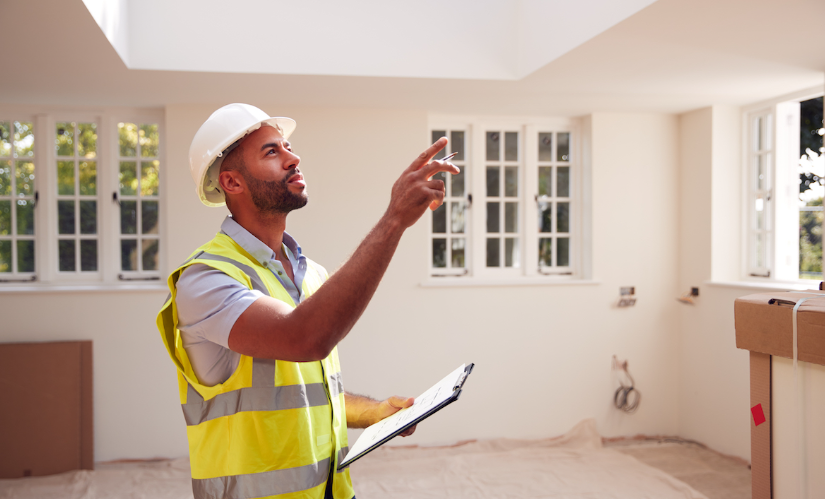
Maximizing Your Home’s Value: How Home Inspections Can Help

When it comes to buying or selling a home, maximizing its value is a top priority for homeowners. Whether you’re looking to increase your home’s resale value or ensure that you’re making a sound investment, a home inspection can be a valuable tool in achieving these goals. In this comprehensive guide, we’ll explore how home inspections can help maximize your home’s value and provide practical tips for leveraging this important process.

Understanding the Importance of Home Inspections

A home inspection is a thorough evaluation of a property’s condition, typically conducted by a certified home inspector. While home inspections are often associated with the home buying process, they can also be beneficial for homeowners looking to sell their property or assess its overall condition.

For sellers, a pre-listing home inspection can identify potential issues that may affect the sale price or delay the closing process. By addressing these issues upfront, sellers can make necessary repairs or adjustments to improve their home’s marketability and appeal to potential buyers.

For buyers, a home inspection provides valuable insights into the condition of the property they are considering purchasing. By identifying any existing or potential issues, buyers can make informed decisions about whether to move forward with the purchase and negotiate repairs or credits with the seller if necessary.

Identifying Potential Issues

One of the primary benefits of a home inspection is its ability to identify potential issues or defects that may impact the home’s value. Common issues uncovered during a home inspection include:

Structural concerns, such as foundation cracks or settlement issues.
Roof damage, including missing or damaged shingles, leaks, or signs of wear and tear.
Electrical problems, such as faulty wiring, outdated fixtures, or overloaded circuits.
Plumbing issues, including leaks, clogs, or inadequate water pressure.
HVAC system problems, such as inadequate heating or cooling, dirty filters, or malfunctioning components.
By identifying these issues early on, homeowners can take proactive steps to address them and prevent them from becoming more significant problems down the line. This can help maintain or increase the home’s value and minimize the risk of costly repairs or renovations in the future.

Prioritizing Repairs and Upgrades

Once potential issues have been identified through a home inspection, homeowners can prioritize repairs and upgrades based on their budget and timeline. While some issues may require immediate attention, others may be less urgent and can be addressed over time.

For example, structural concerns or safety hazards should be addressed promptly to ensure the home’s stability and safety. Roof damage may also require immediate attention to prevent water damage or structural issues. On the other hand, cosmetic issues such as outdated fixtures or finishes can be addressed gradually as budget allows.

In addition to addressing existing issues, homeowners can also use a home inspection as an opportunity to identify potential upgrades or improvements that can enhance the home’s value. This may include upgrades to the kitchen or bathrooms, landscaping improvements, or energy-efficient upgrades such as installing new windows or upgrading insulation.

Negotiating with Buyers

For sellers, a home inspection report can be a valuable tool for negotiating with potential buyers. If issues are identified during the inspection, sellers can choose to address these issues themselves or offer credits or concessions to the buyer to cover the cost of repairs.

By being proactive and transparent about the home’s condition, sellers can build trust with potential buyers and increase the likelihood of a successful sale. In some cases, addressing issues identified during the inspection may even result in a higher sale price or a faster closing process.

Ensuring Peace of Mind

Finally, a home inspection provides homeowners with peace of mind knowing that their home has been thoroughly evaluated by a qualified professional. Whether you’re buying or selling a home, knowing that the property is in good condition can provide invaluable peace of mind and confidence in your decision.

In conclusion, a home inspection is a valuable tool for maximizing your home’s value, whether you’re buying or selling a property. By identifying potential issues, prioritizing repairs and upgrades, negotiating with buyers, and ensuring peace of mind, a home inspection can help homeowners make informed decisions and achieve their real estate goals. Whether you’re looking to increase your home’s resale value or ensure that you’re making a sound investment, a home inspection is an essential step in the process.